Commercial Laminate Flooring vs. Traditional Hardwood
People searching for commercial laminate flooring or hardwood installation are typically looking to upgrade or replace their floors, and local service providers can help them choose and install the best option for their space.
Choosing between commercial laminate flooring and traditional hardwood is a common consideration for property owners looking to enhance their spaces. Whether for a retail store, office, or other commercial property, understanding the differences can help make informed decisions that align with practical needs like durability, maintenance, and aesthetic appeal. Local contractors specializing in flooring installation can provide valuable insights and expert guidance tailored to the specific demands of the area, ensuring the chosen flooring option meets both functional and stylistic goals.
As property owners explore their options, it’s helpful to consider how each flooring type performs in high-traffic environments, ease of installation, and long-term upkeep. Commercial laminate flooring often offers a resilient, cost-effective solution that can withstand frequent use, while traditional hardwood provides a timeless look that can add warmth and elegance. Connecting with experienced local service providers can help clarify these choices and ensure the installation process aligns with the unique requirements of the space. Keep reading to learn more about how these flooring options compare and what to consider when working with local contractors.
Get Quotes for Commercial Laminate Flooring Or Hardwood Installation
- Commercial Laminate Flooring - ideal for high-traffic commercial spaces seeking durable, cost-effective flooring installed by local contractors experienced in quick and efficient setups.
- Hardwood Installation - suitable for businesses aiming for a classic, upscale look where local service providers focus on precise, quality craftsmanship to ensure long-lasting results.
- Commercial Laminate Flooring - often chosen for areas needing moisture resistance and ease of maintenance, with local pros offering specialized installation techniques for optimal performance.
- Hardwood Installation - preferred in settings that value natural aesthetics, with local contractors carefully handling the material to preserve its appearance and structural integrity.
- Commercial Laminate Flooring - recommended for spaces that require a budget-friendly option with fast installation, as local pros streamline the process for minimal disruption.
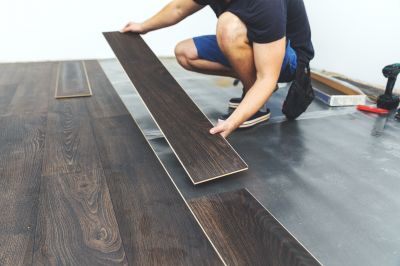
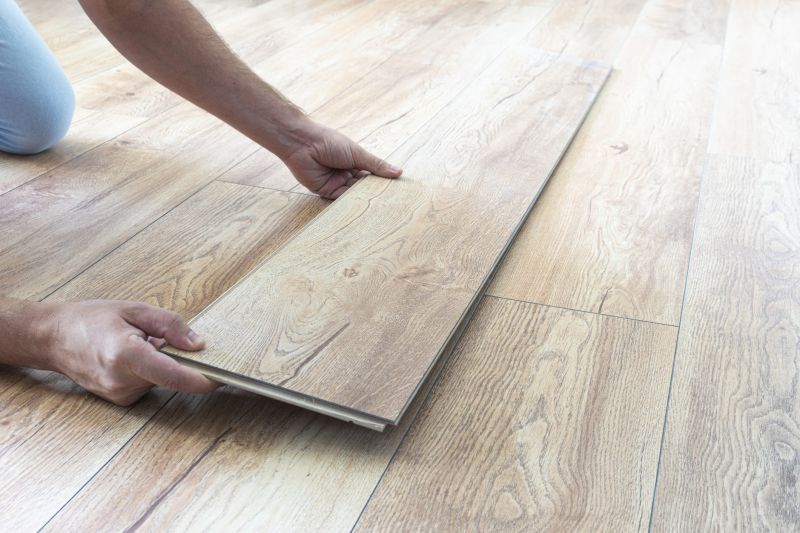
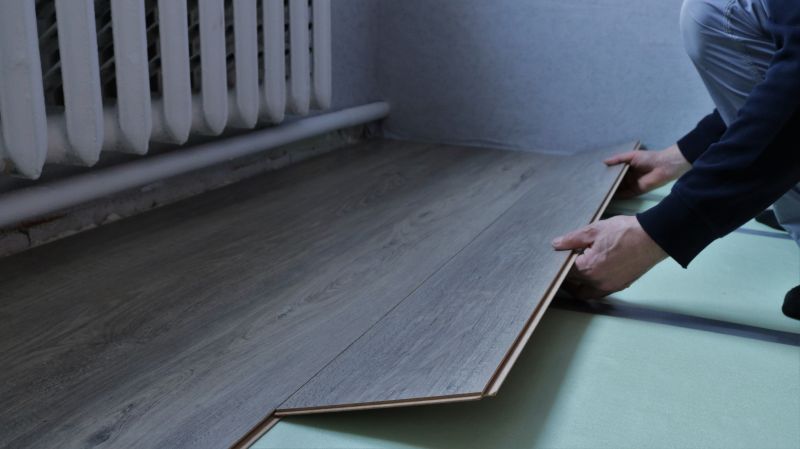
When people search for information about commercial laminate flooring versus traditional hardwood, they are often exploring options for upgrading or installing flooring in a variety of property types. This comparison typically arises during planning for commercial spaces such as retail stores, offices, or hospitality venues, as well as for residential properties like living rooms, kitchens, or basements. Homeowners and business owners alike want to understand the key differences in appearance, durability, and maintenance to determine which material best suits their specific needs. The decision-making process is closely tied to considerations about how the flooring will hold up over time, how it complements the overall design, and how much effort will be required to keep it looking its best.
This topic is frequently linked to projects that involve replacing outdated or worn floors, expanding a space, or simply upgrading to a more modern or practical surface. Property owners often seek to balance aesthetic appeal with long-term performance, especially in high-traffic areas. For commercial properties, durability and ease of maintenance are often top priorities, while homeowners may focus on achieving a warm, inviting look that aligns with their interior style. These plans typically involve evaluating the pros and cons of each flooring type, understanding installation options, and considering how local service providers can help achieve the desired results. Whether it’s a complete overhaul or a smaller upgrade, choosing the right flooring is a key part of creating a functional and attractive space.
The types of properties that commonly come up in discussions about commercial laminate flooring versus traditional hardwood include retail storefronts, office buildings, restaurants, and other commercial venues, as well as residential homes, especially those with active households or high foot traffic. Commercial spaces often prioritize flooring that can withstand frequent use, resist scratches, and require minimal upkeep. Residential properties, on the other hand, may focus more on aesthetic qualities and comfort, though durability remains important in busy households. Local contractors who specialize in flooring installation are familiar with the specific demands of these properties and can recommend suitable options based on the property’s use, traffic levels, and design preferences. Their expertise helps ensure the chosen flooring complements the space while meeting practical needs.
Understanding the differences between commercial laminate flooring and traditional hardwood is essential for property owners planning a flooring project. Local service providers can assist in evaluating the specific conditions of a property, such as the level of foot traffic, moisture exposure, and aesthetic goals. They can also advise on installation techniques, surface preparation, and long-term maintenance considerations. By working with experienced contractors, property owners can make informed decisions that align with their project’s goals-whether that’s maximizing durability, enhancing visual appeal, or balancing both factors. Connecting with local pros ensures the flooring installation process is handled efficiently and professionally, helping to create a space that functions well and looks great for years to come.
Office Renovation Projects - installing durable flooring options like laminate or hardwood is common in commercial office spaces, requiring precise subfloor preparation and flooring installation skills that local contractors provide.
Retail Store Fit-Outs - retail environments often use laminate or hardwood flooring to enhance aesthetics, and local service providers can handle the detailed planning and installation needed for commercial spaces.
Restaurant and Café Flooring - flooring choices in hospitality venues demand durability and style, making the expertise of local contractors essential for proper installation of laminate or hardwood surfaces.
Educational Facility Upgrades - schools and universities frequently upgrade flooring with sturdy materials like laminate or hardwood, requiring skillful planning and installation from local flooring specialists.
Healthcare Facility Renovations - flooring in medical environments must meet specific standards, and local pros can ensure proper installation of resilient laminate or hardwood options.
Warehouse and Industrial Flooring - heavy-duty flooring installations such as laminate or hardwood in industrial settings involve specialized tools and planning that local contractors are equipped to handle.
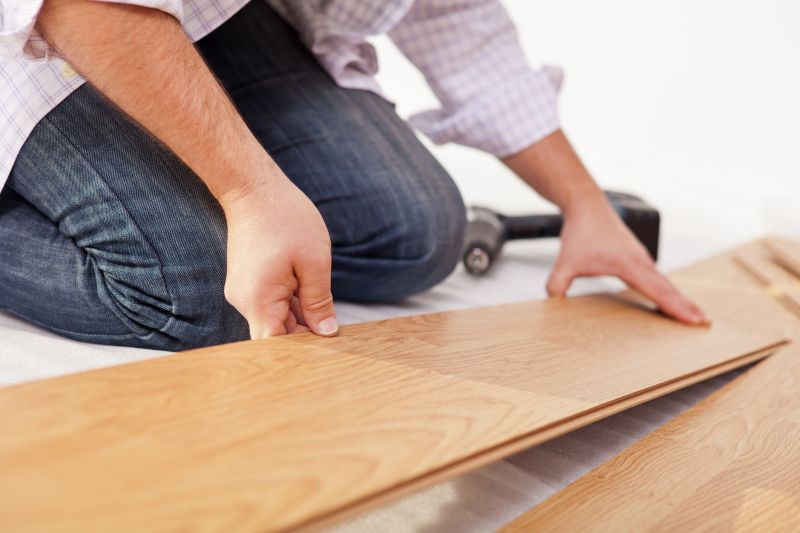
When comparing service providers for commercial laminate flooring versus traditional hardwood installation, it is important to evaluate their experience with similar projects. Contractors who have handled commercial flooring installations can provide insights into the specific challenges and requirements of working with laminate versus hardwood materials. Asking about their past work with these types of flooring helps ensure they understand the nuances of each option, including durability, installation techniques, and material handling. Service providers with a proven track record in commercial flooring can offer more confidence that they are familiar with the scope and demands of such projects.
Clear, written expectations are essential when choosing a local contractor for flooring installation services. A reputable service provider will be able to outline the scope of work, materials used, and the installation process in detail, helping to establish a mutual understanding from the outset. This clarity minimizes misunderstandings and ensures that both parties are aligned on project goals. When comparing options, it is beneficial to review how each contractor communicates project details and whether they provide thorough documentation, which can be a sign of professionalism and transparency.
Reputable references and good communication are key indicators of dependable service providers. Contacting previous clients or seeking references can provide insight into a contractor’s reliability, work quality, and ability to meet deadlines. Effective communication throughout the project helps address questions or concerns promptly, reducing the likelihood of surprises during installation. When considering contractors for commercial laminate flooring or hardwood installation, prioritizing those with strong reputations and responsive communication can lead to a smoother, more predictable experience and better overall results.
Get a Quote for Commercial Laminate Flooring Or Hardwood Installation
Property owners often search for commercial laminate flooring vs. traditional hardwood when they are planning practical projects around their homes and businesses. Local pros provide Commercial Laminate Flooring or Hardwood Installation services for everyday jobs and straightforward project options.
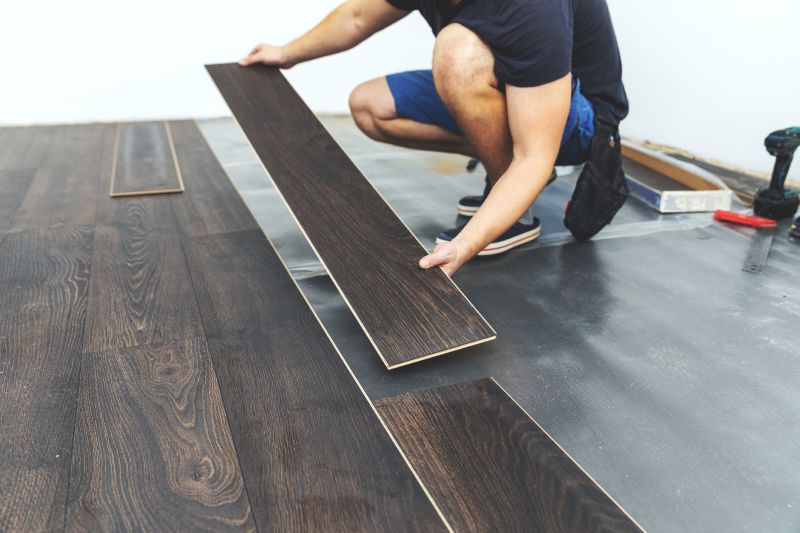
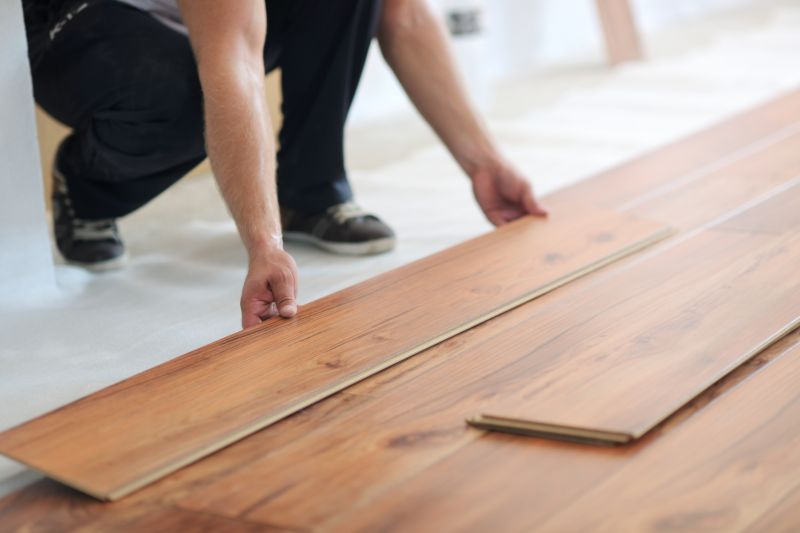
When considering flooring options for a busy commercial space or a high-traffic area in a property, many property owners explore the differences between commercial laminate flooring and traditional hardwood. Commercial laminate flooring often appeals due to its durability and resistance to scratches, dents, and moisture, making it a practical choice for heavy daily use. On the other hand, traditional hardwood offers a classic, warm aesthetic that can elevate the look of a space but may require more maintenance and care over time. Property owners searching for guidance on installation or replacement often look to local contractors who specialize in either flooring type to help evaluate which option best suits their needs and environment.
In everyday project situations, property owners might find themselves weighing the longevity and cost-effectiveness of commercial laminate flooring against the timeless appeal of hardwood. Those with active commercial spaces or areas prone to wear might lean toward the resilience of laminate, while residential property owners seeking a natural, elegant finish could prefer hardwood installation. Local service providers experienced in both flooring options can assist in assessing the specific demands of the space, providing expert installation, and helping property owners make an informed decision that balances style, durability, and practicality.
Get a Quote for Commercial Laminate Flooring Or Hardwood Installation
How does durability compare between commercial laminate flooring and traditional hardwood? Commercial laminate flooring generally offers higher resistance to scratches, dents, and moisture, making it suitable for high-traffic areas, whereas traditional hardwood can be more prone to damage but adds natural warmth and character to a space. Local contractors can advise on which material best meets the durability needs of a commercial environment.
What are the maintenance differences between commercial laminate flooring and hardwood? Commercial laminate flooring typically requires less maintenance, as it is easier to clean and resistant to stains, while hardwood may need regular refinishing and specific cleaning products. Service providers can recommend maintenance routines tailored to each flooring type.
Can commercial laminate flooring and hardwood be installed in the same type of commercial space? Both flooring options can be installed in various commercial settings, but the choice depends on factors like foot traffic, moisture exposure, and aesthetic preferences. Local installation pros can evaluate the space to determine the most suitable flooring type.
Are there differences in installation complexity between commercial laminate flooring and hardwood? Commercial laminate flooring generally has a quicker and simpler installation process due to its click-lock system, while hardwood installation may involve more detailed subfloor preparation and finishing. Experienced service providers can handle the installation efficiently for either material.
How do commercial laminate flooring and hardwood compare in terms of lifespan? Commercial laminate flooring often has a longer lifespan under heavy use because of its durability, whereas hardwood can last many years but may require refinishing over time. Local pros can help assess which option aligns with the expected wear and longevity needs of a commercial space.
Durability considerations - Property owners can evaluate the durability needs of high-traffic areas when choosing between commercial laminate flooring vs. traditional hardwood, with local contractors providing guidance on suitable options.
Installation environments - Deciding whether the space requires a moisture-resistant surface or a more traditional aesthetic can influence material choice, and local service providers can assist with proper installation techniques.
Design versatility - Homeowners and business owners can explore different styles and finishes available in both flooring types to match interior decor, with local pros helping achieve the desired look.
Maintenance requirements - Understanding ongoing care needs helps property owners select flooring that fits their routine, with local contractors offering advice on maintenance for commercial laminate flooring vs. hardwood.
If you are thinking about commercial laminate flooring vs. traditional hardwood for a property, this guide is meant to help you understand this topic, the typical project types, and how different options might fit your plans.
When you are ready, you can use the quote form on this page to share a few details about your project. From there, local pros can review the basics and follow up with options that match what you have in mind.
Get a Quote for Commercial Laminate Flooring Or Hardwood Installation