
Expert Picks for Buckling Wood Floor Repair Products for a Seamless Fix
Explore a curated selection of reliable products that address buckling issues and help you achieve professional-looking results.
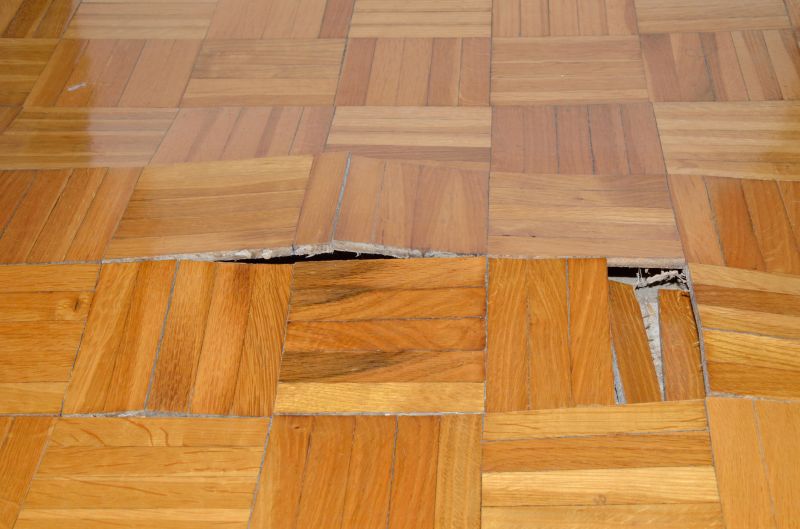 Buckling wood floors can be a challenging issue for homeowners and flooring professionals alike. This phenomenon often results from excess moisture, improper installation, or structural shifts beneath the surface, leading to uneven and unsightly floor surfaces. Addressing buckling requires the right set of products that can help realign, stabilize, and repair affected areas effectively. Whether dealing with minor warping or more extensive buckling, selecting appropriate repair tools and materials is essential for restoring the floor's integrity.
Top Overall Option
Wood Floor Repair Kit
A comprehensive wood floor repair kit typically includes adhesives, clamps, leveling compounds, and moisture meters. These kits are designed to address various issues related to buckling, warping, and uneven surfaces, providing a versatile solution for both small and large repairs. They often come with detailed instructions to guide users through the repair process, making them suitable for DIY enthusiasts and professionals alike.
Types of Products For Buckling Wood Floor Repairs
Wood Floor Adhesives
Specialized adhesives designed for bonding wood planks back together or securing loose sections, ensuring a strong and durable repair.
Clamps and Clamping Systems
Tools used to hold wood planks in place while adhesives cure, helping to realign and stabilize buckled areas.
Moisture Meters
Devices that measure moisture levels beneath the flooring to identify underlying causes of buckling and prevent future issues.
Leveling Compounds
Materials used to fill in low spots and smooth out uneven surfaces caused by warping or buckling.
Floor Jack and Lifting Tools
Specialized tools for gently lifting and realigning sections of buckled flooring before securing them in place.
Underlayment Sheets
Materials placed beneath the flooring to provide additional support and moisture barrier, reducing future buckling risk.
Sanding and Refinishing Supplies
Tools and materials for smoothing out repaired areas and restoring the floor's appearance after fixing buckling issues.
Wood Filler and Patching Compounds
Products used to fill gaps, cracks, or holes resulting from repairs or damage during the buckling correction process.
Sealants and Finish Coats
Protective layers applied after repairs to seal the surface and restore the floor's finish.
Vapor Barriers
Materials installed beneath the flooring to control moisture migration and prevent future buckling.
Popular Choices
All-in-one solutions that include adhesives, leveling compounds, and tools suitable for various minor buckling repairs.
Robust clamps designed to hold sections of flooring firmly in place during adhesive curing, ensuring proper realignment.
Popular moisture meters used to diagnose underlying moisture issues that contribute to buckling.
Materials that help create a smooth, even surface and support the repair process.
Tools that facilitate gentle lifting of buckled areas for re-gluing or re-levelling.
Popular wood fillers used for filling gaps or cracks after the main repair process.
Protective coatings that help restore the appearance and durability of repaired floors.
Commonly used to prevent moisture intrusion beneath flooring, reducing future buckling risks.
Popular equipment for smoothing out repaired areas and matching the existing finish.
When considering repairs, it is important to evaluate the extent of the damage, the type of wood flooring, and the underlying causes. Proper assessment ensures that the chosen products will be compatible and effective in the long term. For instance, some products are designed specifically for smoothing out minor warps, while others are suited for lifting and re-gluing sections of a buckled floor. Additionally, moisture control measures may be necessary to prevent future issues, making comprehensive repair kits a popular choice.
The repair process often involves a combination of products, including adhesives, clamps, moisture meters, and leveling compounds. Using the right tools can help achieve a more even surface and prevent further buckling. It is also vital to follow manufacturer instructions carefully to ensure safety and effectiveness. With the right products and techniques, many buckling issues can be addressed without complete floor replacement, saving time and expense.
Ultimately, understanding the different products available and their specific applications can empower homeowners and professionals to make informed decisions. Properly repairing a buckled wood floor not only improves aesthetics but also helps maintain the structural stability of the flooring system. Investing in quality repair materials and understanding the repair process can lead to more durable and satisfying results.
Key Buying Considerations
- Assess the extent of buckling to determine if repairs are sufficient or if replacement is necessary.
- Identify the underlying cause of moisture or structural shifts to prevent recurrence.
- Choose products compatible with your specific type of wood flooring, whether hardwood, laminate, or engineered wood.
- Consider the size and scope of the repair project to select appropriate tools and materials.
- Look for repair kits that include comprehensive instructions for effective DIY application.
- Evaluate the drying and curing times of adhesives and leveling compounds to plan your repair timeline.
- Select moisture meters with appropriate sensitivity for accurate diagnosis of underlying issues.
- Ensure clamps and lifting tools are suitable for the size and thickness of your flooring planks.
- Prioritize products with good user reviews and proven effectiveness in similar repair scenarios.
- Check for compatibility of sealants and finishes with existing floor coatings to ensure seamless restoration.
- Consider the availability of replacement parts or additional supplies for future maintenance.
- Review safety instructions and proper handling procedures for all repair products.
- Estimate the overall cost based on the number of products needed and the size of the repair area.
- Determine if professional assistance is recommended for extensive or complex buckling issues.
- Verify that products are suitable for indoor use and meet your specific environmental conditions.